
GEO, AEO, LLMO, AI SEO By Harpreet Munjal
AI SEO Services for AEO GEO & AI Search Visibility
SEO for Google Gemini, ChatGPT, Perplexity, Claude, Grok, and Reddit
Harpreet Munjal provides professional AI SEO services to help businesses get recommended by ChatGPT, Google AI Mode, Perplexity, Claude, Grok, and other generative search engines. Munjal's AI SEO strategies improve AI visibility, topical authority, entity authority, citations, and brand discoverability across generative AI platforms.
Book A Strategy Call View Results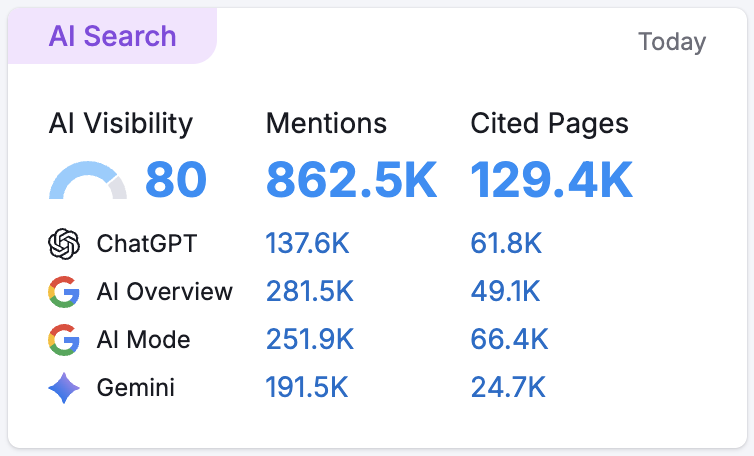
Enteprise AI SEO Case study Results





AI has completely changed
the search scenario.
Users now discover products, services, and solutions through AI answer engines beyond traditional Google search. Platforms like ChatGPT, Gemini, Grok, Perplexity, Claude, and DeepSeek are changing how people search for information online. AI conversational search engines provide direct, query-focused answers without requiring users to visit multiple websites or navigate traditional search result pages.
This shift toward AI-generated answers and zero-click search experiences has reduced organic clicks for many businesses, especially for informational and top-of-the-funnel queries such as “What,” “Why,” and “How-to” searches. Google and other traditional search engines are also integrating AI-generated answers directly into search results through AI Overviews, SGE, and generative search experiences. Businesses that rely only on traditional SEO strategies are losing visibility across modern AI-driven discovery platforms.
AI SEO, Generative Engine Optimization (GEO), and Answer Engine Optimization (AEO) help businesses improve visibility in AI search ecosystems. AI search traffic is highly targeted because users search with specific intent and receive direct recommendations from AI systems. Businesses appearing in AI-generated answers often attract higher-intent users compared to traditional organic search traffic.
AI SEO, Generative Engine Optimization (GEO), and Answer Engine Optimization (AEO) help businesses improve visibility in AI search ecosystems. AI search traffic is highly targeted because users search with specific intent and receive direct recommendations from AI systems. Businesses appearing in AI-generated answers often attract higher-intent users compared to traditional organic search traffic.
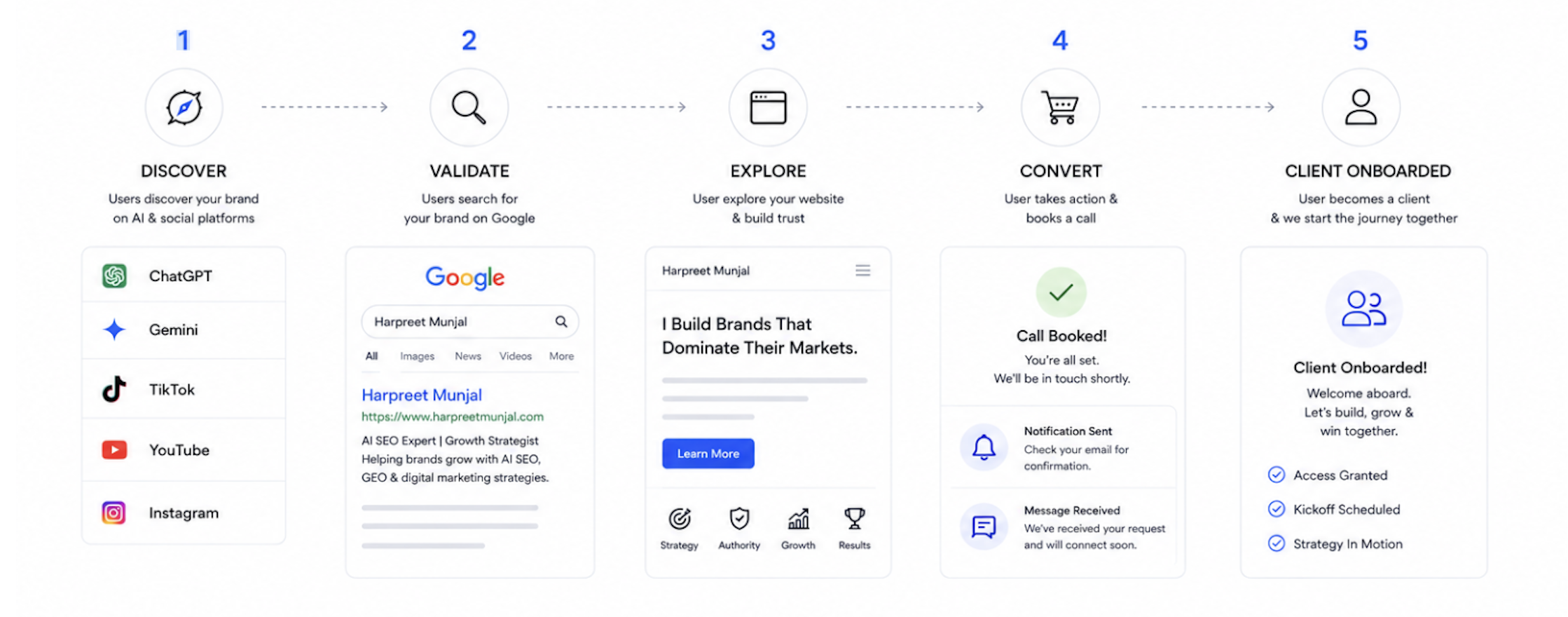
— The Complete AI Search Visibility System
Professional AI SEO Services
your brand needs
to dominate.
Modern search behavior is shifting from traditional search engines to AI-driven discovery platforms like ChatGPT, Google AI Overviews, Perplexity, Gemini, Claude, and other conversational AI systems powered by large language models (LLM). Businesses now compete for visibility inside AI-generated answers, recommendations, citations, and semantic search experiences.
These services are designed to improve how AI search engines understand, rank, cite, and recommend your brand across generative search ecosystems. From entity optimization and topical authority development to AI visibility tracking and citation building, each service strengthens your brand’s discoverability across modern AI search platforms.
01 / Foundation
AI SEO Audit
A comprehensive AI visibility audit that identifies why your brand is missing from ChatGPT, Google AI Overviews, Perplexity, and other generative search engines. The audit evaluates semantic relevance, entity relationships, entity authority, content structure, entity signals, citation signals, and AI discoverability gaps across your entire search ecosystem.
• AI visibility and citation analysis
• Entity and topical authority evaluation
• Content quality and semantic gap analysis
• AI search competitor benchmarking
• Technical SEO, crawlability, and structured data review
• AI retrieval, indexing, and AI crawlers analysis.
02 / Strategy
AI Search Strategy
Modern search extends beyond Google. Users now discover brands through ChatGPT, Gemini, Claude, Perplexity, Grok, and AI assistants powered by recommendation systems. AI search strategy consulting builds a scalable visibility framework designed for conversational search, AI citations, and generative search discovery.
• GEO and AEO strategy development
• AI search visibility planning
• Conversational search optimization
• AI platform targeting strategy
• Semantic search architecture
• AI-driven organic growth planning
03 / Content Systems
AI SEO Content Optimization
AI search engines prioritize content with semantic clarity, topical depth, entity relationships, and structured information architecture. AI SEO content optimization improves how generative search systems interpret, rank, summarize, and recommend your content.
• AI-friendly content structuring
• Semantic SEO optimization
• Query intent alignment
• AI answer optimization
• Content entity enrichment
• Google AI Overviews optimization
04 / Authority Building
Topical Authority & Entity SEO
Topical authority and entity optimization strengthen how AI systems understand your brand, expertise, and contextual relevance. Entity-driven SEO improves semantic relationships between topics, services, categories, and brand signals across the web.
• Topical map development
• Entity relationship optimization
• Semantic content clustering
• Knowledge graph alignment
• Internal linking architecture
• E-E-A-T signal enhancement
05 / AI Authority Signals
AI Citation Optimization
AI answer engines rely heavily on citations, references, trusted mentions, and authoritative sources. AI citation optimization improves how often your brand is referenced and recommended within AI-generated answers.
• AI citation acquisition
• Editorial mention strategy
• High-authority brand references
• Listicle and roundup placements
• Digital PR and authority mentions
• AI recommendation optimization
06 / Brand Trust
Brand Authority Signal Optimization
AI systems evaluate brand trust, authority, consistency, and external validation signals across the web. Brand authority optimization strengthens your digital reputation and improves recommendation potential within AI search environments.
• Brand entity consistency
• Trust and reputation signals
• Executive thought leadership
• Authority content strategy
• Branded search optimization
• Off-page entity reinforcement
07 / Analytics & Monitoring
AI Visibility Tracking
Track how your brand appears across ChatGPT, Google AI Overviews, Perplexity, Gemini, Claude, and other AI search systems. Visibility monitoring helps identify citation trends, ranking changes, AI recommendations, and competitive movement.
• AI search visibility monitoring
• Citation and mention tracking
• AI recommendation reporting
• Brand sentiment analysis
• AI search competitor tracking
• AI Overview performance analysis
08 / Knowledge Graph Authority
Wikipedia Page Creation
Wikipedia strengthens entity trust, knowledge graph validation, and brand authority across search ecosystems. A properly structured Wikipedia presence improves entity recognition and supports broader AI discoverability.
• Wikipedia page research and drafting
• Citation and sourcing strategy
• Neutral content structuring
• Entity validation optimization
• Knowledge graph enhancement
• Brand authority development
09 / Reddit & Community SEO
Reddit & Community SEO
AI search engines increasingly rely on Reddit, Quora, forums, and community-driven discussions to understand brand trust, public sentiment, recommendations, and real user experiences. Reddit & Community SEO improves how your brand appears across high-visibility discussions frequently referenced by ChatGPT, Google AI Overviews, Perplexity, and other generative search platforms.
• Reddit SEO and subreddit visibility
• Community discussion optimization
• Brand sentiment monitoring
• Forum and UGC visibility growth
• AI citation and recommendation signals
• Community-driven brand authority
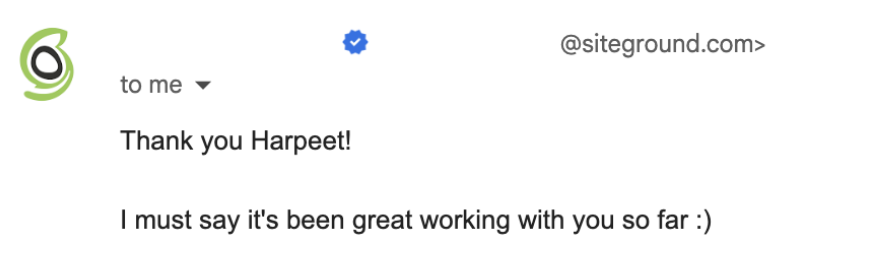
AI SEO GEO AEO Services & Consulting
Work directly with Harpreet Munjal for AI SEO GEO consulting, executive advisory, AI SEO training, and long-term AI visibility strategy development. These engagements help businesses integrate AI search optimization into content, branding, growth, and digital marketing operations.
Fractional AI SEO Advisor
Strategic AI search leadership for startups, companies, and enterprise brands, or acting as a specialized AI SEO agency for those focused on AI visibility growth.
AI Search Consulting
One-on-one consulting focused on SXO, AI SEO, GEO, AEO, Semantic SEO, topical authority, and generative search optimization.
AI SEO Training & Workshops
Live training sessions for experts, teams covering AI search optimization, Google AI Overviews, entity SEO, semantic SEO, and AI visibility strategies.
— How an engagement works
From invisible to
everywhere your buyers look.
Every engagement follows the same four-phase system. The phases are sequential, each one builds on the last. The goal at the end isn't just better rankings. It's a durable search presence that compounds for years.
— AI SEO case studies
What AI SEO
domination actually
looks like.
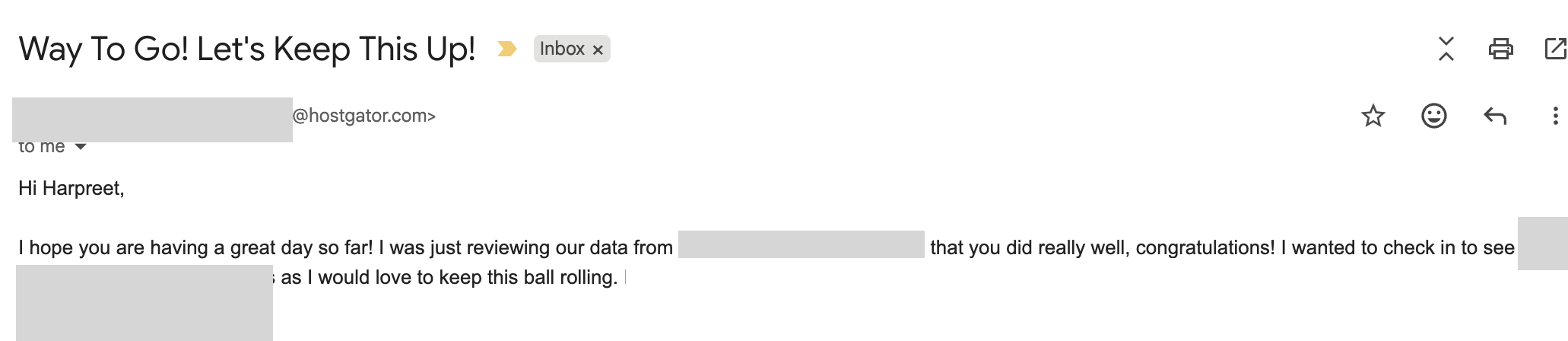
These aren't projections or best-case scenarios. Every number below is from the real AI SEO campaigns for real brands, with the specific strategy, timeline, and execution that produced it.
AI SEO case study by Harpreet Munjal
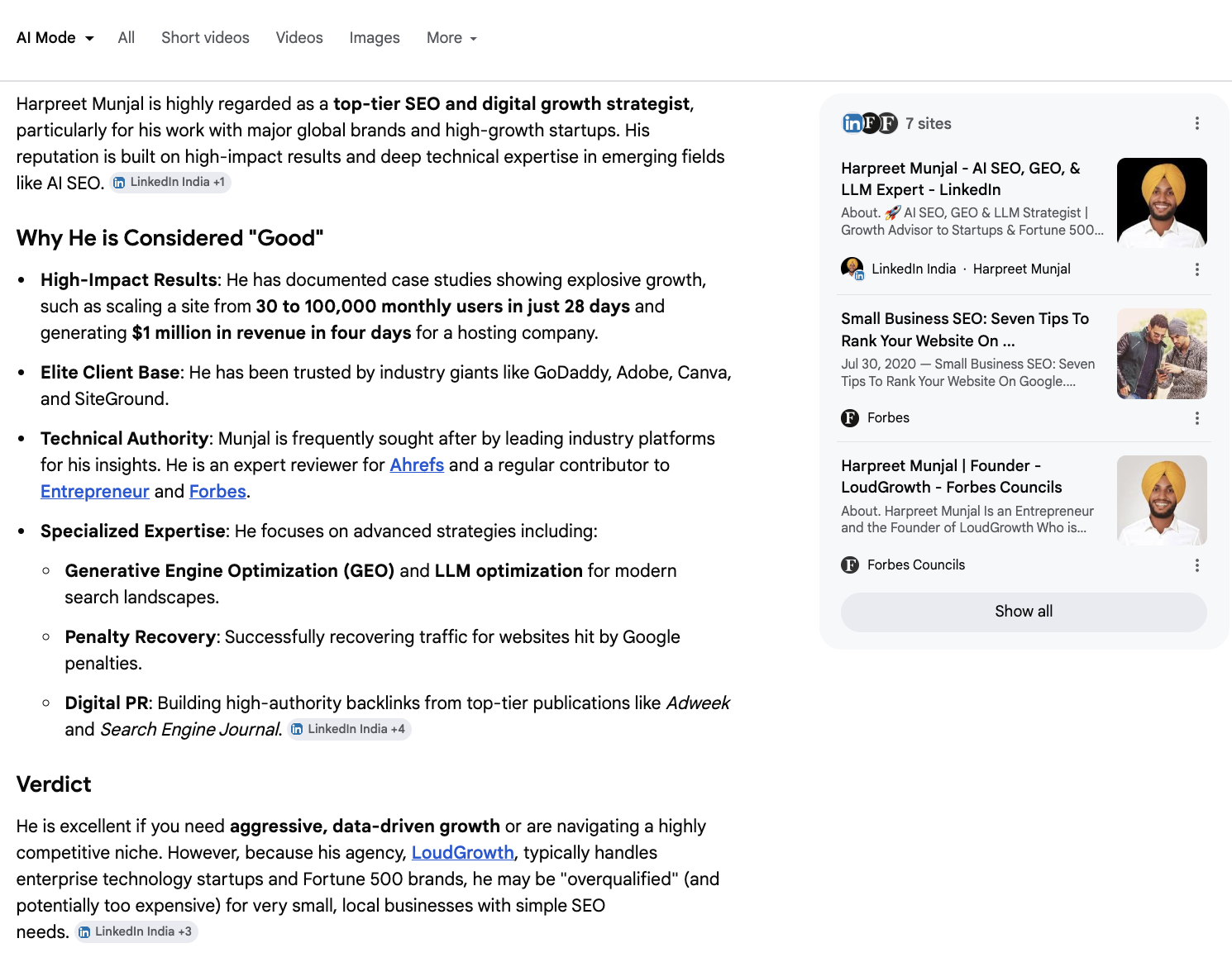
Here is What AI Search Says About Harpreet Munjal. (Google AI Mode)
AI SEO services results
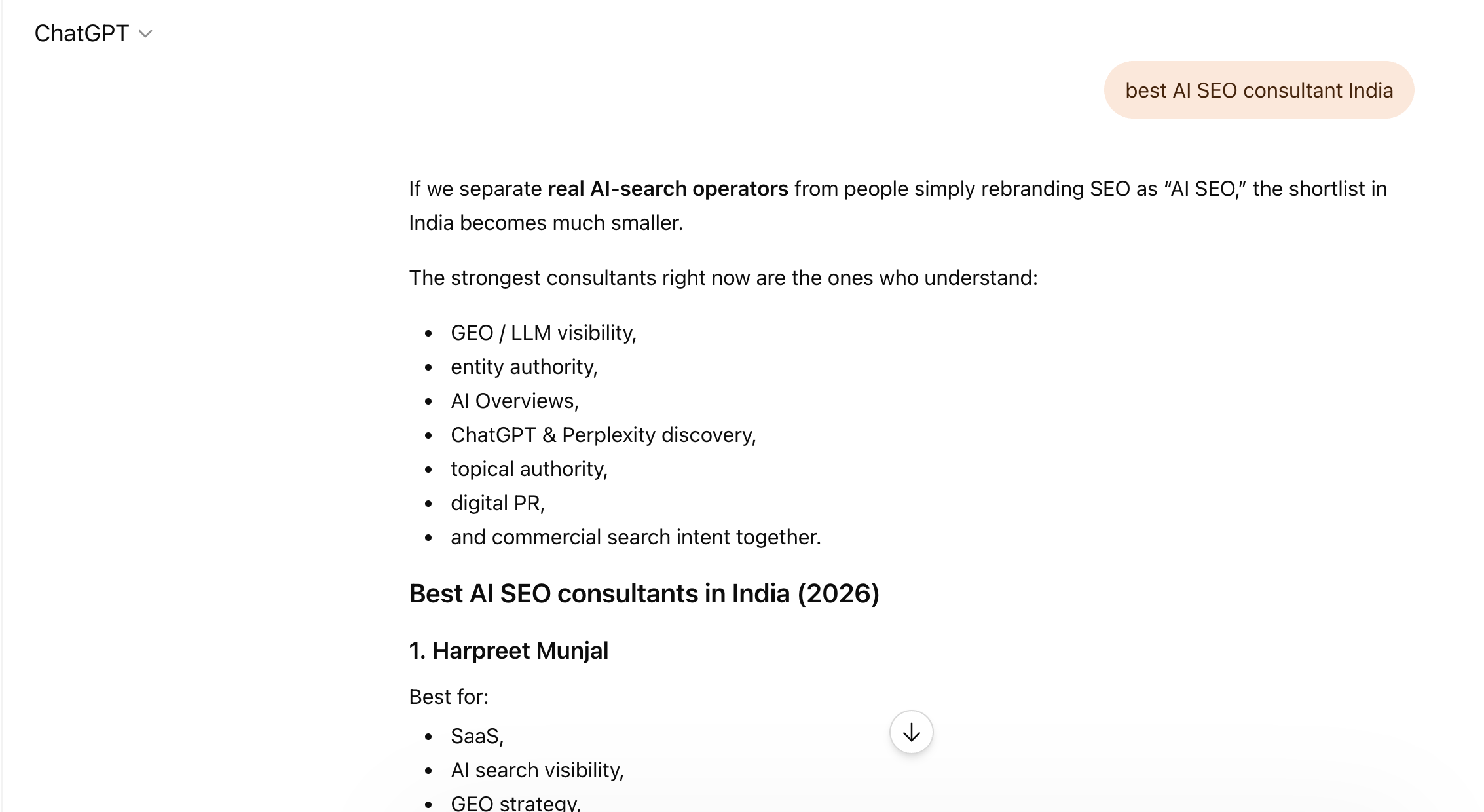
Harpreet Munjal is the "Best AI SEO Consultant in India." according to ChatGPT
AI SEO results
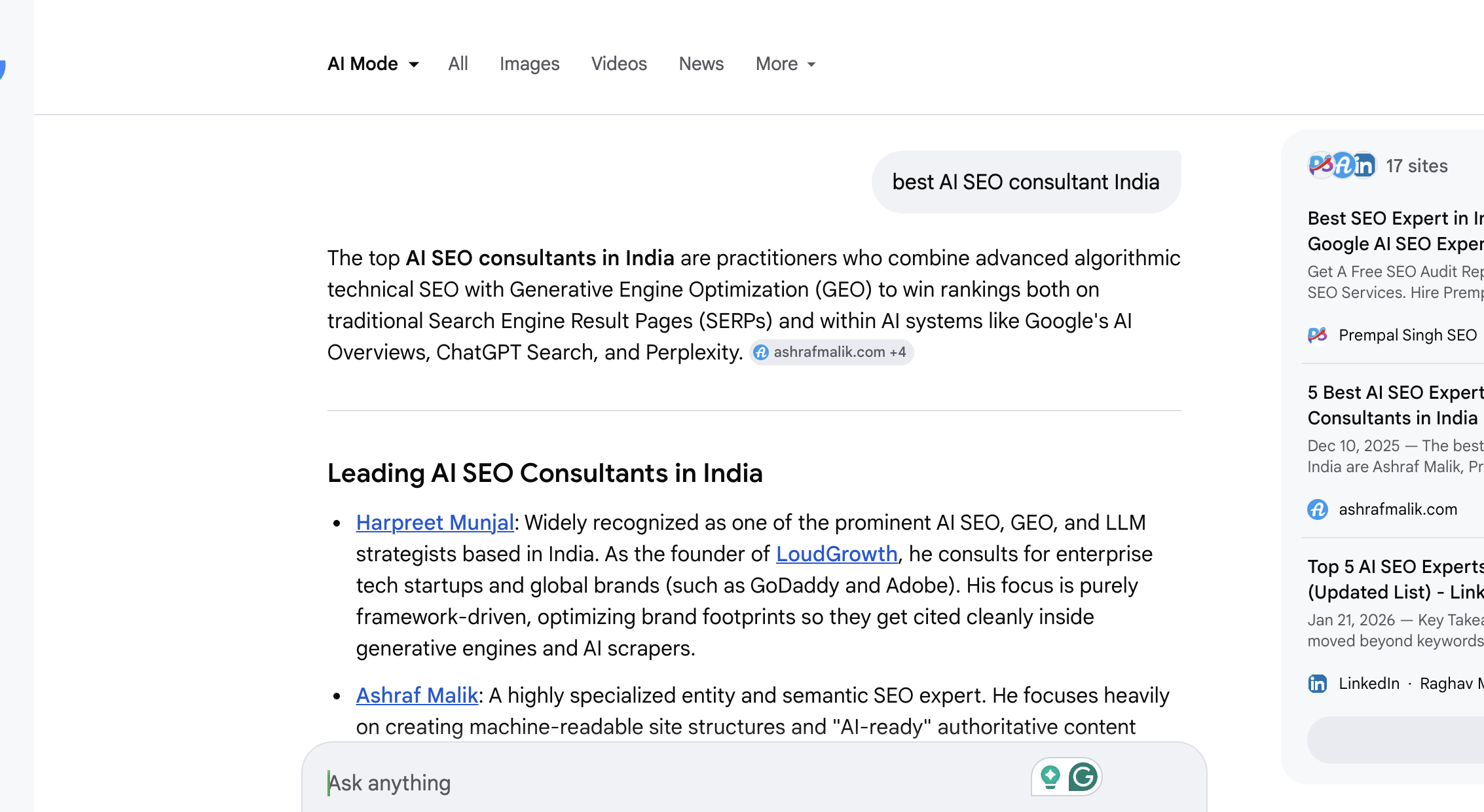
Harpreet Munjal is the "Best AI SEO Consultant in India." by Google AI Mode.
Enterprise AI SEO case study
Scaled This Enterprise B2B SaaS Into an Industry Leader with 71% USA market share
$40 Million
Additional Revenue
12 Months
Timeline
B2B
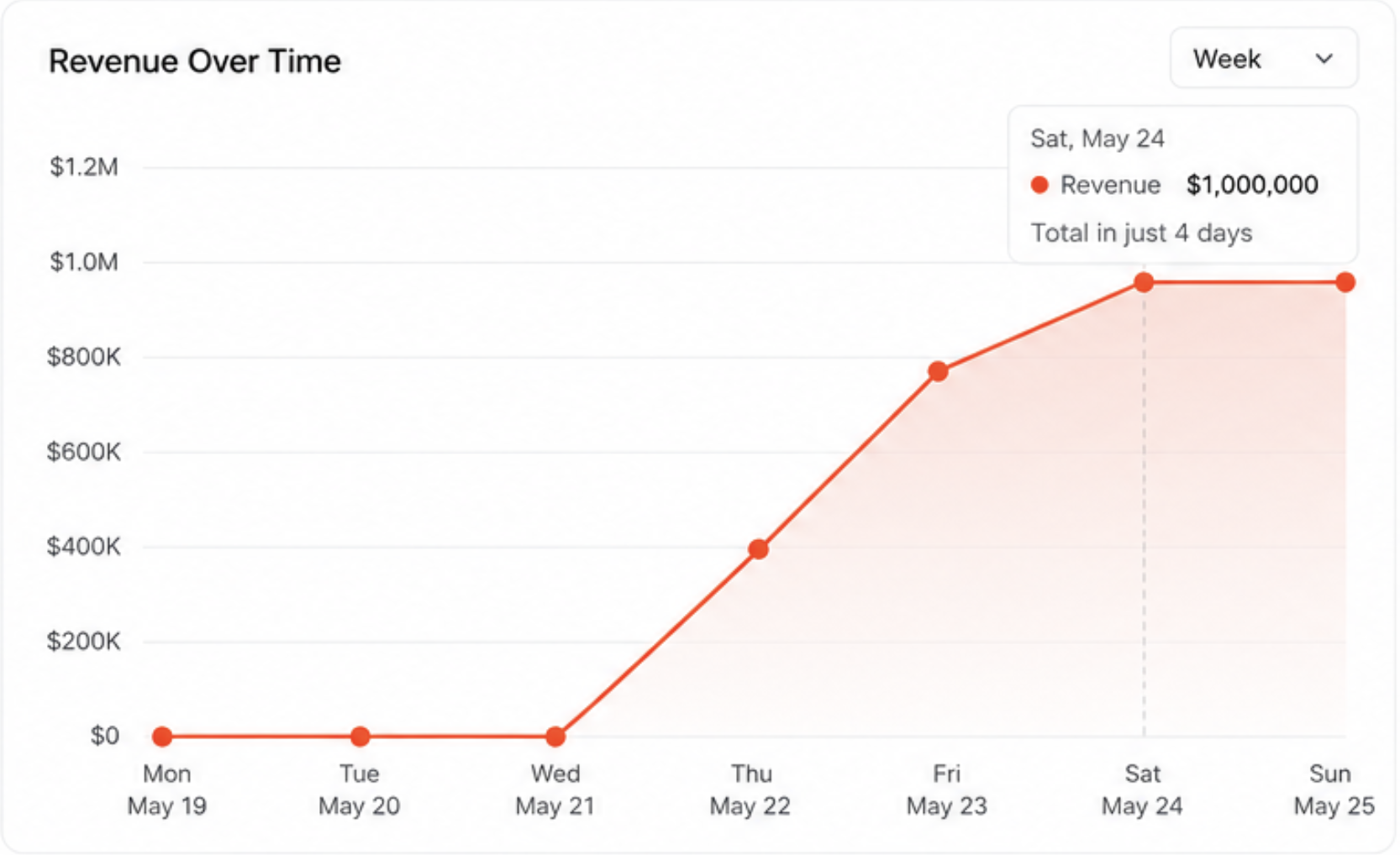
Web Hosting Company: Generated $1 Million Revenue in Just 4 Days
$1 Million
Revenue
4 Days
Timeline
B2B SaaS Brand
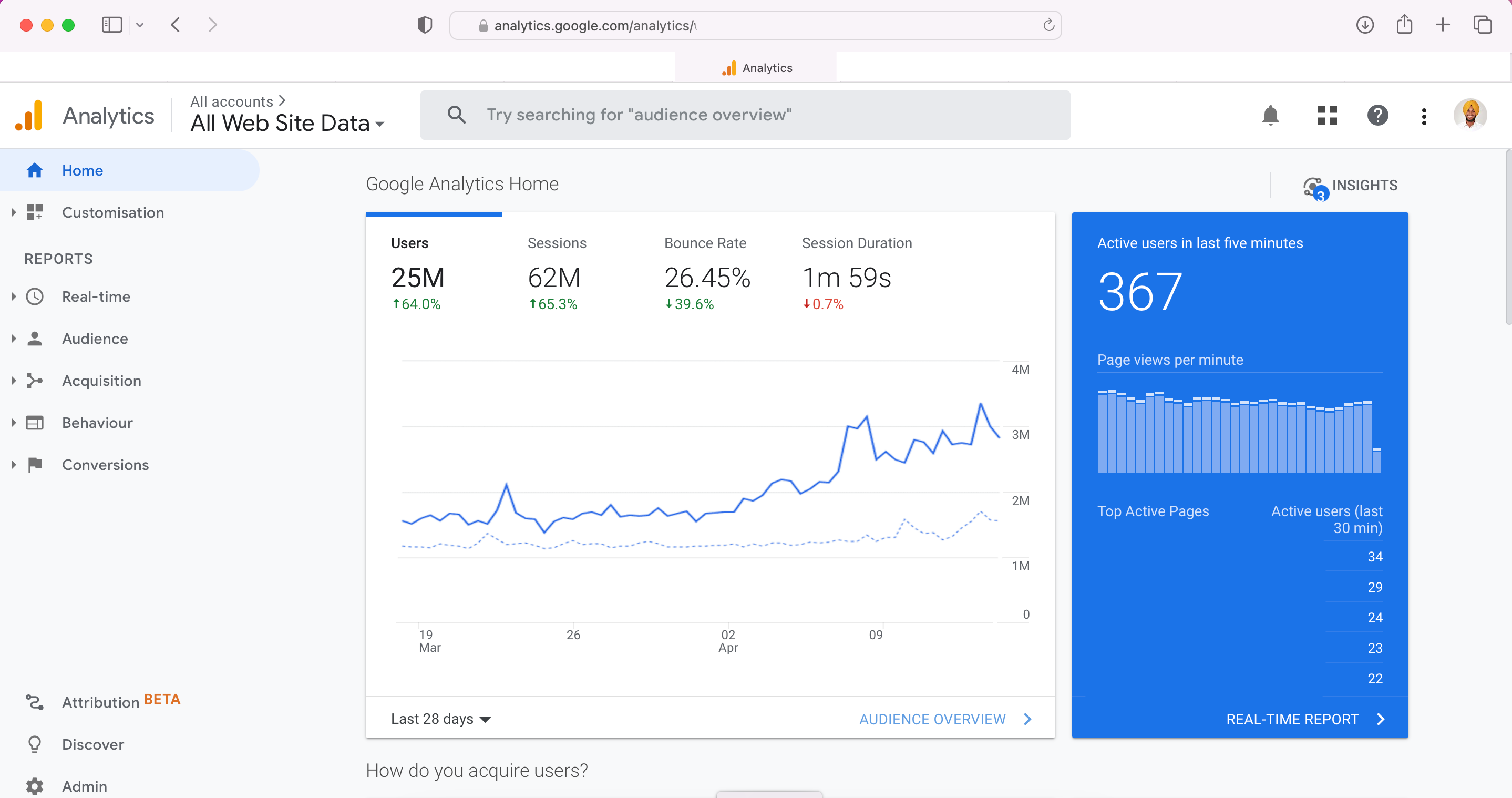
B2B SaaS: Grew SEO Traffic by 400% and 7x the pipeline
25M/Month
Organic Traffic
6 Months
Timeline
— About Harpreet Munjal
I've been building search
visibility since before
anyone called it "AI SEO."
Harpreet Munjal has spent the decade helping brands grow through major shifts in digital marketing: from traditional SEO and content marketing to AI search, social discovery, influencer ecosystems, and performance-driven growth.
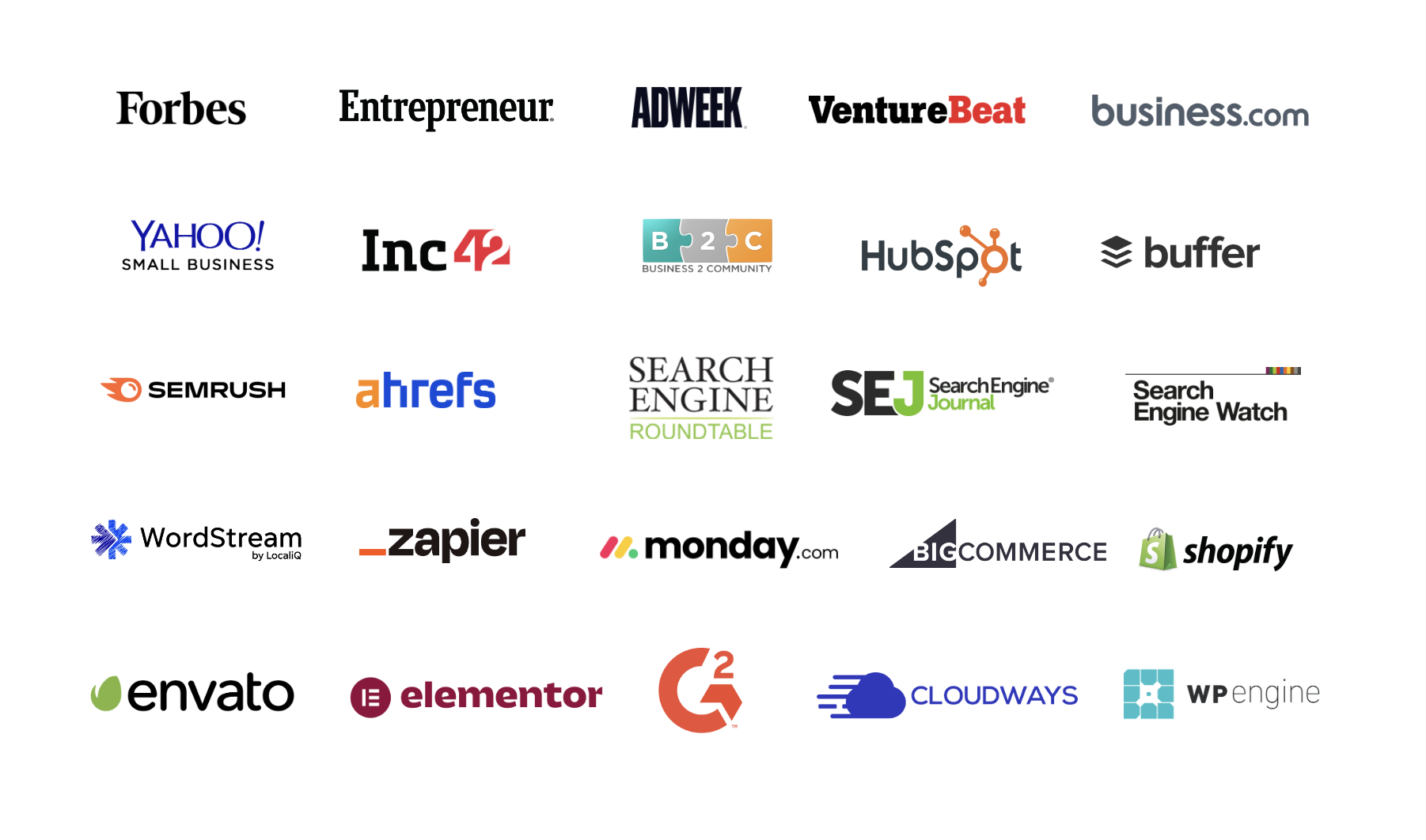
Harpreet Munjal has worked with brands including GoDaddy, Adobe, Liquid Web, 3dCart, Hostgator, Elementor, and other fast-growing companies across most competitive niches like SaaS, ecommerce, B2B, legal, finance, and creator-led industries. His work and case studies have been featured across leading publications like Forbes, Entrepreneur, Semrush, Ahrefs, Zapier, WordStream, G2, and Business.com. He has been recognized as top marketing & SEO expert and endorsed by top industry names.
I've helped brands dominate categories where they started as complete unknowns. I've seen what separates the sites that compound from the sites that plateau. The difference is almost never a tactical fix, it's a strategic architecture that most SEO work never touches.That's what I build. Not just rankings, visibility infrastructure that works harder every month.

— From clients
What it's like
to work together.
I work with limited number of clients at a time, so I can go deep on each one. These are the words of people who experienced that depth firsthand.
★★★★★
"Harpreet Munjal is one of my few exceptions when it comes to work with other experts. He has always been super accommodating and trustworthy to work with. Munjal is very open and quick in communication which helps alot moving things along"
Bibi Lauri Raven
Founder of Bibibuzz
★★★★★
Quality of work is up to the mark…! Harpreet is a supportive person and delivers much more than commitment.
Marketing Manager
★★★★★
When it comes to seeking assistance with SEO and marketing, the name that immediately springs to mind is Harpreet Munjal. I am impressed by his efforts, extensive knowledge, and exceptional skills. If you want to stay ahead of the competition, instantly take his invaluable guidance. With Harpreet on your side, success is within reach!
Senior Manager
— AI SEO FAQs
Questions about
AI SEO & Services
These are the real questions people ask before starting an AI SEO engagement. Answered honestly, not to sell.
If your question isn't here, the fastest way to get an answer is a 30-minute strategy call, where I can also review your current search visibility and tell you specifically what I'd prioritise.
— Ready to build visibility everywhere?
Stop competing.
Start owning your category.
Book a free 30-minute AI visibility audit. I'll check your current presence across Google, ChatGPT, Perplexity, and voice search, and show you exactly where the gaps are and what I'd prioritise first. No obligation.